

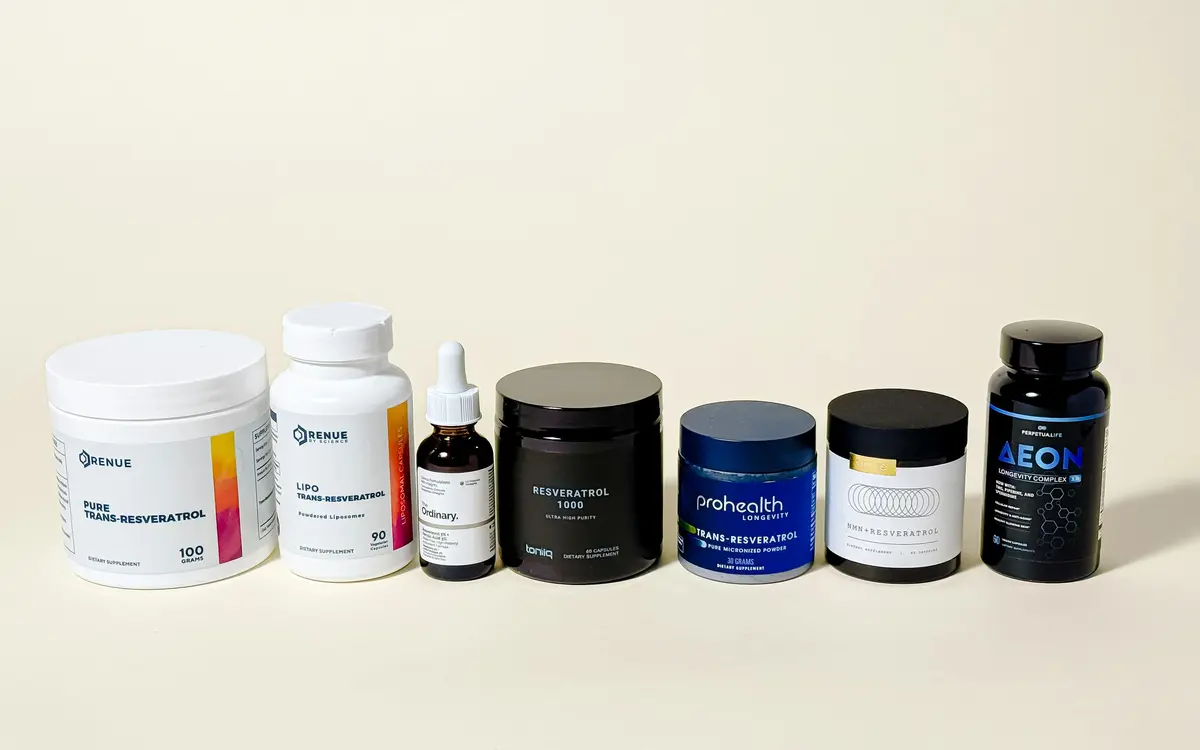
Aging is a natural process, but the way people approach their health, energy, and daily habits can influence how they feel over time. As interest in healthy aging continues to grow, a resveratrol supplement has become a popular topic among people looking for ways to support cellular health, antioxidant protection, and long-term vitality. Researchers are studying resveratrol for its potential effects on biological pathways associated with aging, although many proposed benefits still require stronger human evidence.
Alongside resveratrol, other longevity supplements are gaining attention for their role in supporting normal cellular functions. One example is Longevity Supplement from Longevity System by Dr. Natalia Bobok, a formula that combines liposomal nicotinamide mononucleotide (NMN) with trans-resveratrol. The product is designed to support cellular energy, metabolic function, and healthy aging as part of a broader wellness routine.
Understanding the ingredients, potential benefits, limitations, and responsible use of these products can help adults make informed decisions about their health. Supplements may complement healthy habits, but they should not replace a balanced diet, regular physical activity, quality sleep, or appropriate medical care.
What Is a Resveratrol Supplement?
Resveratrol is a naturally occurring plant compound belonging to a group of substances known as polyphenols. It is found in certain foods, including grapes, berries, and peanuts. Japanese knotweed is also commonly used as a commercial source of resveratrol for supplements.
The compound is particularly interesting to researchers because of its antioxidant properties and potential influence on biological processes involved in cellular stress responses, metabolism, and healthy aging. Trans-resveratrol is the biologically active form most commonly used in supplements.
A resveratrol supplement provides a concentrated amount of this compound in a convenient format. However, the concentration, purity, formulation, and absorption characteristics can differ between products. These differences matter because the amount of an ingredient listed on a label does not necessarily determine how much the body absorbs or how effectively it works.
Resveratrol has been investigated for its possible influence on sirtuins, including SIRT1, and AMP-activated protein kinase (AMPK). These proteins participate in processes related to energy regulation and cellular responses to stress. Nevertheless, findings from laboratory and animal studies do not automatically translate into proven health benefits in humans. There is currently no conclusive evidence that resveratrol supplements extend human lifespan.
How Longevity Supplements Support Healthy Aging
Longevity supplements are products designed to support aspects of health that may change with age, such as cellular energy metabolism, antioxidant defenses, and normal physiological function. Their ingredients vary widely, and scientific evidence differs considerably from one compound to another.
Some products focus on individual nutrients, while others combine several ingredients intended to work through complementary biological pathways. The goal is generally to support healthy aging rather than stop or reverse the aging process.
The Longevity Supplement from Longevity System by Dr. Natalia Bobok combines two key ingredients: liposomal NMN and trans-resveratrol. According to the product information, the formula is designed to support cellular energy production and pathways associated with healthy aging.
This combination reflects two areas of scientific interest. NMN is studied because it participates in the body’s production of nicotinamide adenine dinucleotide, commonly known as NAD+. NAD+ is essential for several cellular processes, including energy metabolism. Resveratrol, meanwhile, is studied for its antioxidant activity and potential effects on metabolic and stress-response pathways.
Although these ingredients have promising research backgrounds, evidence supporting the exact combination and its long-term benefits in humans remains limited. A carefully formulated supplement may be one part of a wellness routine, but it should not be viewed as a guaranteed solution for age-related changes.
Key Ingredients: Liposomal NMN and Trans-Resveratrol
Understanding the main ingredients helps explain why this formula is positioned among modern longevity supplements.
Liposomal NMN: Supporting Cellular Energy
NMN, or nicotinamide mononucleotide, is a compound involved in the biochemical pathway that produces NAD+. This molecule helps cells carry out energy-related reactions and supports enzymes involved in normal cellular function.
NAD+ levels can change with age, although the extent and significance of these changes vary among individuals and tissues. Researchers are investigating whether compounds such as NMN can increase NAD+ levels and whether those changes translate into meaningful improvements in health.
The Longevity Supplement formula uses liposomal NMN. Liposomal delivery systems package ingredients within lipid-based structures designed to influence how they are protected and delivered in the body. The intended advantage is improved delivery, but the actual absorption and clinical benefits depend on the specific formulation and supporting evidence.
NMN should not be described as a proven way to restore youthful energy or prevent age-related disease. Human research is still developing, and more long-term studies are needed to determine its safety and effectiveness for different populations.
Trans-Resveratrol: Antioxidant and Metabolic Support
Trans-resveratrol is included for its antioxidant properties and potential relationship with biological pathways associated with healthy aging. Oxidative stress occurs when the production of reactive molecules exceeds the body’s ability to manage them. Excessive oxidative stress can contribute to cellular damage, although it is also part of normal biological signaling.
Laboratory studies suggest that resveratrol may influence SIRT1, AMPK, and other pathways related to metabolic regulation and cellular stress responses. Researchers have also examined its possible effects on blood vessel function and markers associated with cardiovascular health.
However, clinical findings in humans have been mixed. Results can depend on the dose, duration, population, and specific outcome being measured. Resveratrol has not been established as a treatment for cardiovascular disease, metabolic disorders, or other medical conditions.
Together, NMN and trans-resveratrol provide different areas of research interest: one is connected to NAD+ metabolism, while the other has been studied for antioxidant activity and cellular signaling.
Potential Benefits and What the Research Actually Shows
People often consider a resveratrol supplement or other longevity products because they want to maintain energy, mental focus, physical resilience, and overall well-being as they grow older.
The scientific picture is more nuanced than many supplement advertisements suggest. Research supports investigating these ingredients, but it does not establish that every user will experience noticeable improvements.
Cellular health and healthy aging: NMN and resveratrol are being studied for their involvement in cellular processes associated with aging. Some early findings are encouraging, but their ability to produce meaningful long-term health improvements in humans remains uncertain.
Energy and physical function: Because NAD+ participates in energy metabolism, NMN has attracted interest from researchers studying physical performance and age-related changes. However, an increase in a biological marker does not necessarily mean that a person will experience sustained energy, greater endurance, or better recovery.
Antioxidant protection: Resveratrol demonstrates antioxidant activity in experimental settings. Its effects in the human body are more complex, and supplementation has not been proven to prevent all forms of oxidative damage or slow aging.
Cardiovascular and metabolic health: Some human studies have examined resveratrol’s effects on blood pressure, glucose regulation, and other health markers. Results have been inconsistent, and supplements should not replace established approaches to managing cardiovascular or metabolic conditions.
The key distinction is between a biological mechanism that researchers can observe and a health outcome that has been reliably demonstrated in people. Consumers should look for well-designed human trials rather than relying exclusively on laboratory research or general claims about longevity.
Why Consider a Combined Longevity Formula?
A combined formula may appeal to people who prefer taking one product rather than purchasing separate supplements. According to its product information, Longevity Supplement provides a total daily formula of 1,000 mg, consisting of 500 mg of liposomal NMN and 500 mg of trans-resveratrol.
The formula is positioned around complementary roles: NMN is described as supporting cellular energy pathways, while trans-resveratrol is included for antioxidant and longevity-related cellular signaling support. The product also emphasizes liposomal delivery for NMN.
People interested in this type of formulation should assess more than the total milligram amount. Useful considerations include ingredient quality, manufacturing standards, independent testing, clear labeling, potential interactions, and evidence for the finished product itself.
It is also important to distinguish product descriptions from independently established clinical outcomes. Claims that users will notice improvements after two weeks, one month, or three months should not be treated as guaranteed timelines. Individual responses vary, and strong evidence establishing those specific timeframes for this formula would be needed before making reliable predictions.
Safety, Responsible Use, and Everyday Healthy Habits
Supplements are not automatically safe simply because their ingredients occur naturally. Resveratrol can cause digestive discomfort in some people, and its effects on blood clotting may be relevant for those taking anticoagulant or antiplatelet medicines. Potential interactions with other medications also deserve consideration.
NMN research is still developing, particularly regarding long-term use, the best dose, and safety across different health conditions. People who are pregnant or breastfeeding, have an existing medical condition, or take prescription medication should consult a qualified healthcare professional before starting a new supplement.
Follow the product label and avoid combining multiple products with overlapping ingredients without checking their total amounts. More is not necessarily better, and taking a larger dose does not guarantee stronger benefits.
For most adults, the foundations of healthy aging remain practical and well established. These include eating a varied, nutrient-rich diet, participating in regular aerobic and strength-building activity, sleeping sufficiently, avoiding tobacco, limiting excessive alcohol consumption, and managing blood pressure, cholesterol, and blood glucose when appropriate.
Regular medical checkups can help identify health concerns early. Supplements may have a role for some individuals, but they should fit into an overall health plan rather than serve as a substitute for evidence-based prevention or treatment.
Final Thought
A resveratrol supplement can be an interesting option for adults researching antioxidant support and the science of healthy aging. Trans-resveratrol has been studied for its potential influence on cellular stress responses, metabolic signaling, and pathways such as SIRT1 and AMPK. NMN has attracted attention for its relationship with NAD+ and cellular energy metabolism.
Combined products, including Longevity Supplement from Longevity System by Dr. Natalia Bobok, bring these research areas together in a single formula. Nevertheless, the potential benefits of NMN and resveratrol should be considered in light of the current evidence, which remains incomplete for many long-term health outcomes.
The most sensible approach is to review the ingredients, understand the limitations of available research, check for possible interactions, and consult a healthcare professional when needed. Healthy aging is not determined by one ingredient or product. Consistent lifestyle habits, appropriate medical care, and informed choices remain central to long-term well-being.

