

Modern implant dentistry has transformed the way dentists replace missing teeth. Thanks to new dental technology, new materials, and new treatment planning, dental implants are one of the most successful and natural-looking solutions for restoring smiles. Unlike conventional dentures or bridges, implants are designed to replace both the crown and the tooth root, which helps to offer additional stability, comfort and durability.
Over the last few years, patients have been able to take advantage of digital imaging, computer-assisted implant positioning and materials that provide greater accuracy and minimize recovery time. Of course, a few or a single tooth may be missing, but today’s advanced implant medicine can provide an individualized solution to regain confidence and restore all functions of day-to-day life, including eating and speaking.
This is a guide to implant dentistry, its benefits, available treatment options, and all that patients can expect during this process.
What Is Modern Implant Dentistry?
Modern implant dentistry is a specialized part of dentistry that is dedicated to the replacement of missing teeth by dental implants.
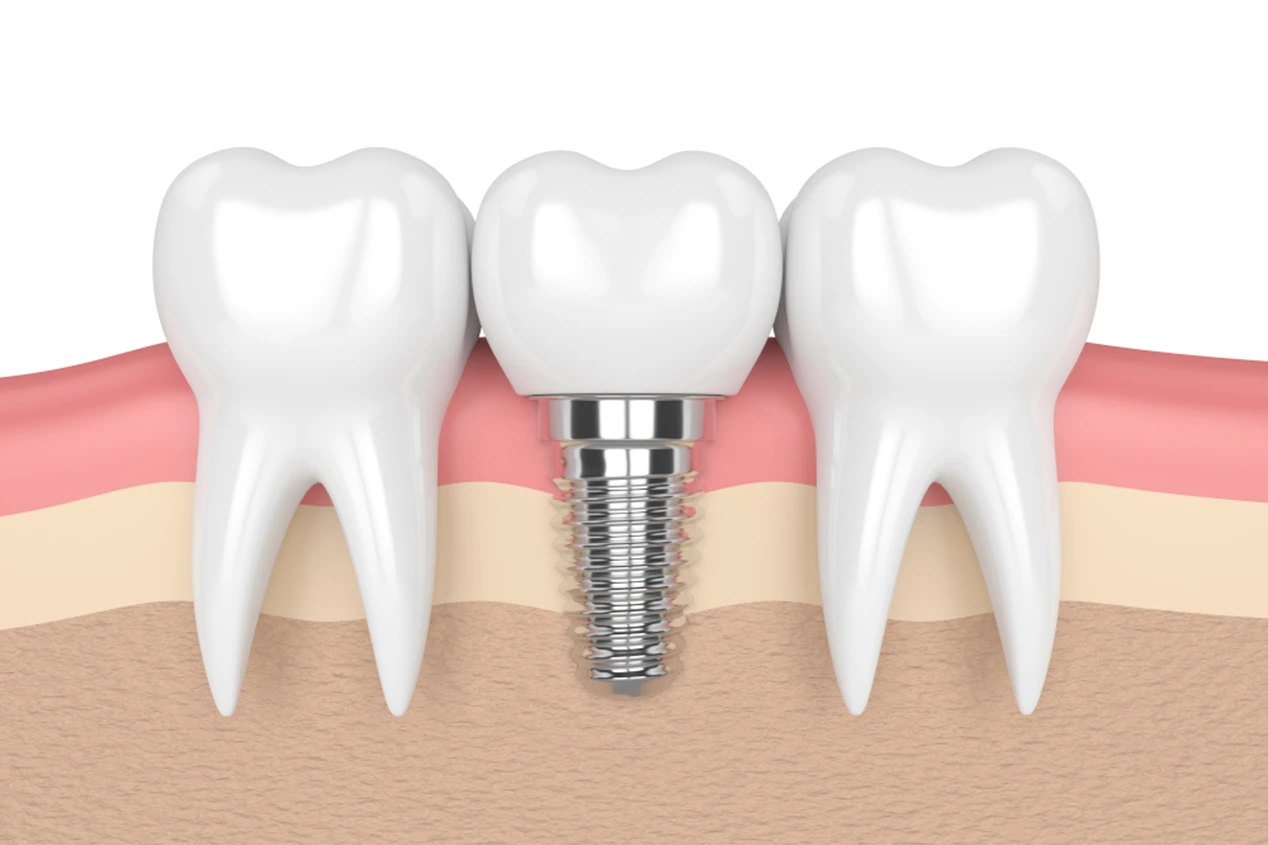
A dental implant consists of a small titanium or zirconia post that is surgically placed into the jawbone, where it functions like a natural tooth root.
After the implant has fused with the surrounding bone (osseointegration), a finished crown, bridge, or denture is affixed to the implant.
Unlike removable dentures, implants become a permanent part of the mouth and provide exceptional stability.
Digital planning and surgical procedures have improved significantly in recent years, making implant surgery not only safer, more predictable and more comfortable than ever, but also taking much more of a person-centered approach.
Consequently, in many instances implants can be viewed as the standard of care for tooth replacement.
Benefits of Dental Implants
There are many benefits to dental implants over other methods of replacing missing teeth.
The most significant advantages are their natural look.
A specially designed crown will match the color, shape and size of other teeth, allowing for a realistic smile.
With implants a patient can chew normally and enjoy a wider range of foods while feeling confident about their bite.
Implants can help minimize jaw bone recession that is common after a tooth extraction, as they encourage the bone growth.
Implants do not need to reshape neighbouring healthy teeth as is the case with traditional bridges.
They are also quite durable and can endure for decades when taken care of properly. After implant treatment, many patients find that their speech is improved, they are more comfortable and more confident.
These long-term benefits make implants a valuable investment in oral health.
Types of Implant Treatments
Modern implant dentistry provides several treatment options based on each patient’s needs.
Single Tooth Implants
A single implant replaces one missing tooth without affecting neighboring teeth.
This option provides excellent aesthetics and long-term function.
Implant-Supported Bridges
When several teeth are missing in the same area, implant-supported bridges replace multiple teeth using fewer implants than individual replacements.
Full-Arch Implant Restorations
Patients missing all teeth in one or both jaws may benefit from full-arch implant systems that securely support a complete set of replacement teeth.
Immediate Load Implants
In selected cases, temporary teeth can be attached shortly after implant placement, reducing waiting time during healing.
The most appropriate treatment depends on bone quality, oral health, and individual goals.
The Dental Implant Procedure
Typically, the implant procedure starts with a thorough consultation.
The dentist examines the patient’s mouth, medical and dental records, and jawbone using a digital X-ray or three-dimensional imaging.
Then a personalised treatment plan is established.
The surgeon will carefully position the implant in the jaw during the surgical procedure under local anesthesia or sedation.
As the months passed, the implant takes more and more hold on the bones by natural healing.
Once the integration has been successful, an abutment is secured to the implant to link it to the definitive restoration.
Lastly, a custom-made crown, bridge or denture is firmly anchored in place.
Follow-up appointments help the healing process and guarantee long-lasting success.
Advances in Modern Implant Technology
Technology has significantly improved implant dentistry over the past two decades.
Three-dimensional CBCT imaging gives him/her a detailed view of bone structure, so he or she can plan treatment with a high degree of accuracy.
Computer guided implant surgery will help ensure that the implant is placed with accuracy reducing trauma to other tissues.
There are no many traditional impression materials required and therefore the patient’s comfort is improved.
The implants made of high quality titanium and zirconia are strong and biocompatible.
Some practices then employ cutting-edge healing methods such as platelet-rich fibrin (PRF) to promote healing and tissue regeneration.
These innovations enhance the effectiveness of treatment, shorten recovery time and boost the likelihood of long-term success.
The safety and predictability of implant procedures keep improving with advances in modern technology.
Caring for Dental Implants
Dental implant maintenance is essential to long-lasting implants.
Removing plaque and keeping the gum around the implant healthy with daily brushing and flossing.
Some toothbrushes made for inter-dental use or water flossers might be more effective in inaccessible areas.
Regularly scheduled dental appointments enable practitioners to continue to track implant health and detect issues early on.
Refraining from tobacco products helps promote healing and decreases the chance for implant complications.
If the patient has a tendency to grind their teeth or plays contact sports, mouthguards should be worn by the patient as well.
If well taken care of and cared for by a dental professional, a dental implant can last for a long, long time.
Good maintenance involves protection of the implant as well as the natural teeth around the implant.
Who Is a Good Candidate?
Dental implants may be a possibility for most healthy adults who are missing just one or a few teeth.
Jaw bone volume is critical as there must be enough bone support to assert implant stability.
Even patients with bone loss can be made candidates post bone grafting procedure.
Well-maintained oral hygiene and good gums play a major role in successful treatment.
Medications, other health conditions, and smoking can affect healing, making it important to have a complete dental exam before treatment.
All patients are assessed individually and a tailored treatment plan is decided.
Final Thought
Modern implant dentistry has revolutionized tooth replacement by offering durable, natural-looking, and highly functional solutions for people with missing teeth. Advances in digital imaging, guided surgery, and restorative materials have made implant treatment more comfortable, precise, and successful than ever before.
Whether replacing a single tooth or restoring an entire smile, dental implants provide long-term benefits that improve appearance, chewing ability, speech, and overall oral health. While treatment requires careful planning and proper aftercare, the lasting results often make implants one of the most valuable investments in dental health.
Consulting an experienced implant dentist is the first step toward determining whether dental implants are the right solution for restoring both your smile and your confidence.
FAQs
What is modern implant dentistry?
Modern implant dentistry is the use of advanced dental implant techniques and technology to replace missing teeth with permanent, natural-looking restorations.
How long do dental implants last?
With proper care and regular dental visits, high-quality dental implants can last 20 years or more, and many last a lifetime.
Is dental implant surgery painful?
Most patients experience minimal discomfort because the procedure is performed using local anesthesia or sedation. Mild soreness after surgery is generally manageable with prescribed medications.
Who is a good candidate for dental implants?
Healthy adults with missing teeth, healthy gums, and adequate jawbone are often good candidates. A dental evaluation is necessary to confirm eligibility.
How long does implant treatment take?
Treatment usually takes several months, depending on healing time, bone condition, and whether additional procedures such as bone grafting are required.
How should I care for dental implants?
Brush and floss daily, attend regular dental checkups, avoid tobacco products, and follow your dentist’s maintenance recommendations to keep implants healthy for many years.

