

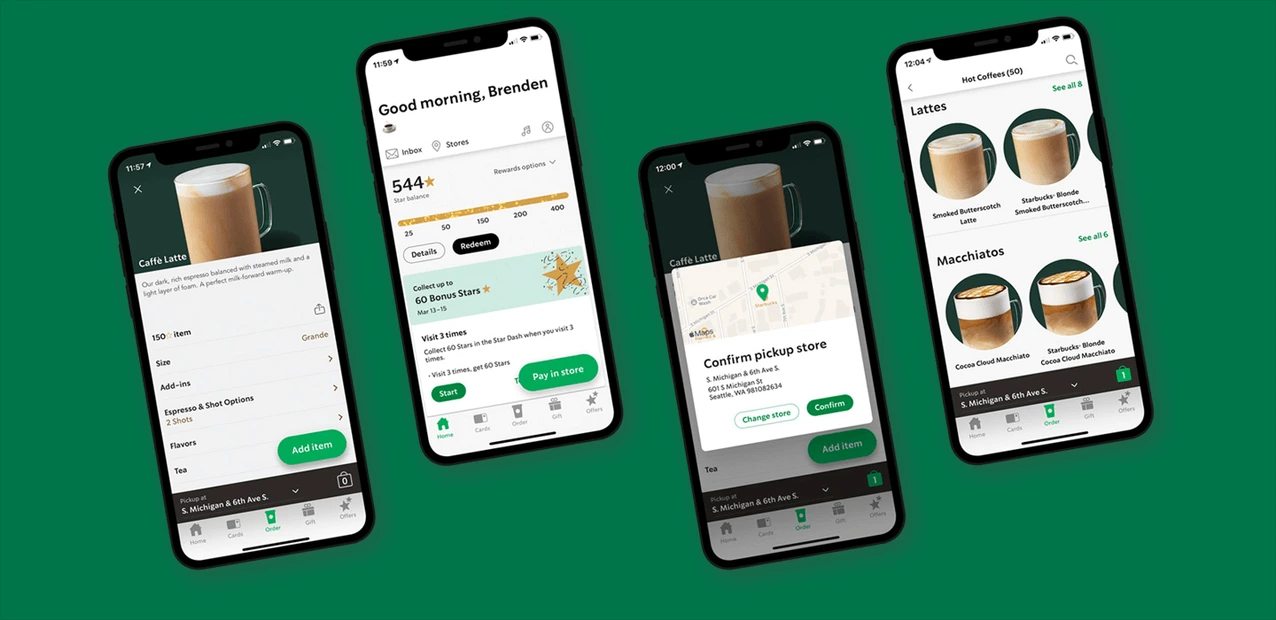
Independent brands work hard on how they look and sound. The logo on the coffee cup, the tone of an Instagram caption, the packaging of a candle or a bag of beans: every detail is chosen to feel like them. Then, at the moment a customer is most loyal, many of these brands hand the relationship to someone else, through a shared rewards scheme, a third-party coupon site, or a generic punch card printed in bulk.
It is an understandable choice. Building a loyalty program used to mean hiring developers, publishing an app in two app stores, and persuading customers to download yet another thing they would rarely open. For a café, a boutique or a small online shop, that was never realistic. But the trade-off was real: the customer ended up associating the reward with someone else’s name.
What “your own app” means now
The picture has changed. A small brand can now give customers a branded loyalty app that opens straight from a card saved in the phone’s wallet. There is nothing to download from a store. The customer taps the card and sees one page in the brand’s colors, with their stamps or points, the rewards they have earned, current offers, and links to the shop’s website, booking page or social accounts.
For the customer it feels like the brand’s own space, because it is. For the brand, it replaces several separate tools at once: the paper card, the link-in-bio page, and much of the occasional promotional email.
Why the name on the screen matters
- Recognition compounds. Every time a customer checks their rewards, they see your logo, not a platform’s. Over a year, that is dozens of small brand impressions that cost nothing.
- The data stays with you. You know who your members are, how often they return, and who has gone quiet. A shared scheme often keeps that picture for itself.
- You set the tone. Rewards, wording and timing all match the brand. A florist can reward the tenth bouquet with a seasonal posy; a bookshop can invite members to an author evening.
- You can speak first. A message sent to the card arrives on the customer’s phone, rather than competing in a crowded inbox or a feed that shows only some followers.
Starting small
The brands that get the most from their own loyalty app tend to start with something simple and consistent. One clear reward that suits the business, a QR code at the counter and in every online order, and staff who mention it in one sentence at checkout. Birthday rewards and a gentle “we haven’t seen you for a while” message can then run automatically in the background.
From there the program can grow with the business: points instead of stamps, levels for the most loyal customers, offers for a new product line. What matters is that each step happens under the brand’s own name.
Loyalty is part of the brand
Independent businesses rarely win on price or reach. They win on character, and on the feeling customers get when a place knows them. A loyalty program is one of the most frequent touchpoints a brand has with its best customers. It deserves the same care as the logo on the door, and it should carry the same name.

