

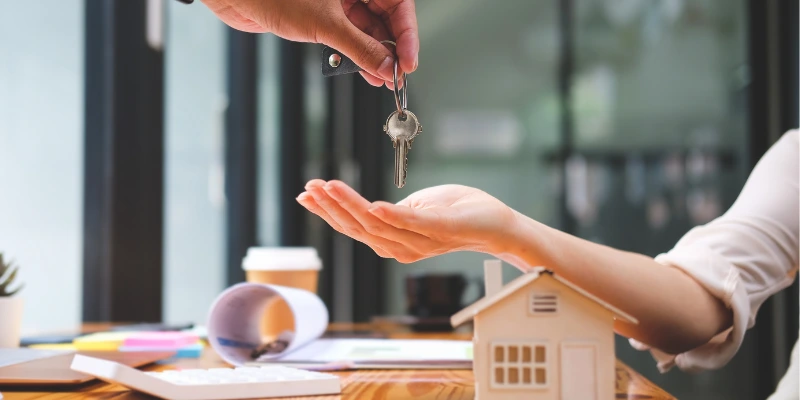
Managing Rental Properties effectively requires more than collecting rent and finding tenants. Successful property management involves maintaining the property, handling tenant relationships, managing finances, and ensuring smooth daily operations. Whether you own one rental unit or a large portfolio, having the right management approach can make a significant difference.
Rental properties can provide a reliable source of income, but they also come with responsibilities. Landlords must balance tenant satisfaction with protecting their investment. Poor management can lead to costly repairs, unhappy tenants, and financial losses.
With proper planning, organization, and communication, property owners can reduce stress and improve the overall performance of their rental investments. From screening reliable tenants to maintaining the property and tracking expenses, effective management creates long-term value.
Understanding the Basics of Rental Property Management
Rental property management involves overseeing all aspects of owning and operating a rental property. This includes preparing the property for tenants, handling agreements, collecting payments, and addressing maintenance concerns.
A successful landlord understands that a rental property is both a financial investment and a living space for tenants. Keeping the property in good condition and providing a positive rental experience helps build strong tenant relationships.
The main responsibilities of rental management often include:
- Marketing the property to attract suitable tenants
- Screening applicants carefully
- Preparing rental agreements
- Collecting and tracking rent payments
- Managing repairs and maintenance
- Following local housing regulations
- Communicating effectively with tenants
Having a clear management system makes daily tasks easier and prevents problems from becoming major issues.
Finding and Selecting Reliable Tenants
Tenant selection is one of the most important parts of rental property management. A responsible tenant can protect your property, pay rent on time, and create fewer management challenges.
A detailed screening process helps landlords make better decisions. This may include reviewing rental history, employment information, income stability, and references.
Clear rental criteria should be established before accepting applications. This helps create a fair and consistent process while reducing potential conflicts.
Good communication during the application process also creates a professional relationship from the beginning.
Landlords should avoid rushing the tenant selection process. Choosing the right tenant often saves time, money, and stress in the future.
A reliable tenant is not only someone who pays rent but also someone who respects the property and follows rental agreements.
Creating a Strong Rental Agreement
A well-written rental agreement protects both landlords and tenants by clearly explaining responsibilities and expectations.
The agreement should include important details such as:
- Monthly rent amount and payment dates
- Security deposit requirements
- Maintenance responsibilities
- Rules regarding pets, guests, and property use
- Lease duration and renewal terms
- Procedures for handling repairs
A clear agreement reduces misunderstandings and provides a reference if disagreements occur.
Landlords should ensure rental agreements follow local laws and regulations. Including illegal or unclear terms can create problems later.
A professional rental agreement helps establish trust and creates a more organized rental experience.

Maintaining the Property and Handling Repairs
Regular maintenance is essential for protecting the value of a rental property.
Small issues can become expensive problems if they are ignored. Regular inspections and timely repairs help prevent major damage.
A good maintenance strategy includes:
- Checking plumbing and electrical systems
- Maintaining heating and cooling equipment
- Inspecting roofs and exterior areas
- Addressing tenant repair requests quickly
- Keeping common areas clean and safe
Responsive maintenance also improves tenant satisfaction. When tenants feel their concerns are taken seriously, they are more likely to care for the property and continue their lease.
Building relationships with reliable contractors can make repairs faster and more cost-effective.
Preventive maintenance is usually less expensive than emergency repairs, making it an important part of successful property ownership.
Managing Rental Finances Effectively
Financial organization is a key part of managing rental properties successfully.
Landlords should carefully track all income and expenses related to their properties.
Important financial tasks include:
- Recording rental payments
- Tracking maintenance costs
- Monitoring utility expenses
- Planning for future repairs
- Creating an emergency fund
Separating personal and rental finances makes accounting easier and provides a clearer picture of property performance.
Understanding cash flow helps landlords make better investment decisions. A property that generates income but requires constant expensive repairs may need a different management strategy.
Using property management software or financial tracking tools can simplify record-keeping and improve accuracy.
Good financial management helps maximize rental profitability while reducing unnecessary expenses.
Building Positive Tenant Relationships
Strong landlord-tenant relationships can improve the overall rental experience.
Professional communication, respect, and quick responses help create trust between both parties.
Landlords should provide clear information, respond to concerns promptly, and treat tenants fairly.
Simple actions such as regular updates, scheduled maintenance notices, and respectful conversations can make a significant difference.
Happy tenants are more likely to renew leases, maintain the property properly, and recommend the rental to others.
At the same time, landlords should maintain professional boundaries. Clear policies and consistent enforcement help prevent misunderstandings.
A balanced relationship benefits both property owners and renters.
Using Technology for Better Property Management
Modern technology has made rental management easier and more efficient.
Digital tools can help landlords organize important tasks, including:
- Online rent payments
- Maintenance request systems
- Digital lease agreements
- Expense tracking
- Tenant communication platforms
These tools reduce paperwork and save valuable time.
Property management software can provide reminders for important deadlines, organize documents, and help monitor multiple properties.
Technology is especially useful for landlords who manage several rental units because it creates a more structured workflow.
Using the right tools allows property owners to focus on improving their investments rather than dealing with administrative tasks.
Common Challenges in Rental Property Management
Even experienced landlords face challenges when managing rental properties.
Common issues include late rent payments, difficult tenants, unexpected repairs, and changing regulations.
Preparation is the best way to handle these situations.
Creating clear policies, maintaining emergency savings, and understanding legal responsibilities can reduce potential problems.
Landlords should also continue learning about property management trends and local market conditions.
Avoiding emotional decisions and following established processes helps maintain professionalism.
Successful rental management is about creating systems that handle challenges effectively.
Final Thought
Managing Rental Properties requires organization, patience, and consistent effort. Successful landlords understand that property management involves more than collecting rent. It requires maintaining the property, supporting tenants, managing finances, and making informed decisions.
By choosing reliable tenants, creating strong agreements, maintaining properties regularly, and using modern tools, landlords can improve efficiency and increase long-term returns.
A well-managed rental property benefits everyone involved. Tenants enjoy a better living experience, while property owners protect their investments and create sustainable income opportunities.
FAQs
What is the most important part of managing rental properties?
Finding reliable tenants and maintaining good communication are two of the most important factors for successful rental management.
How can landlords reduce rental property problems?
Landlords can reduce issues by creating clear agreements, performing regular maintenance, screening tenants carefully, and responding quickly to concerns.
Should landlords manage properties themselves or hire a professional?
It depends on the number of properties, available time, and experience. Professional managers can help with daily operations, but self-management may work well for smaller portfolios.
How often should rental properties be inspected?
Regular inspections should be scheduled according to local laws and rental agreements. Routine checks help identify problems early.
What technology can help with rental property management?
Property management software, online payment systems, digital documents, and maintenance tracking tools can improve efficiency.
How can landlords improve tenant satisfaction?
Quick communication, fair policies, timely repairs, and maintaining a safe property environment help improve tenant satisfaction.

