

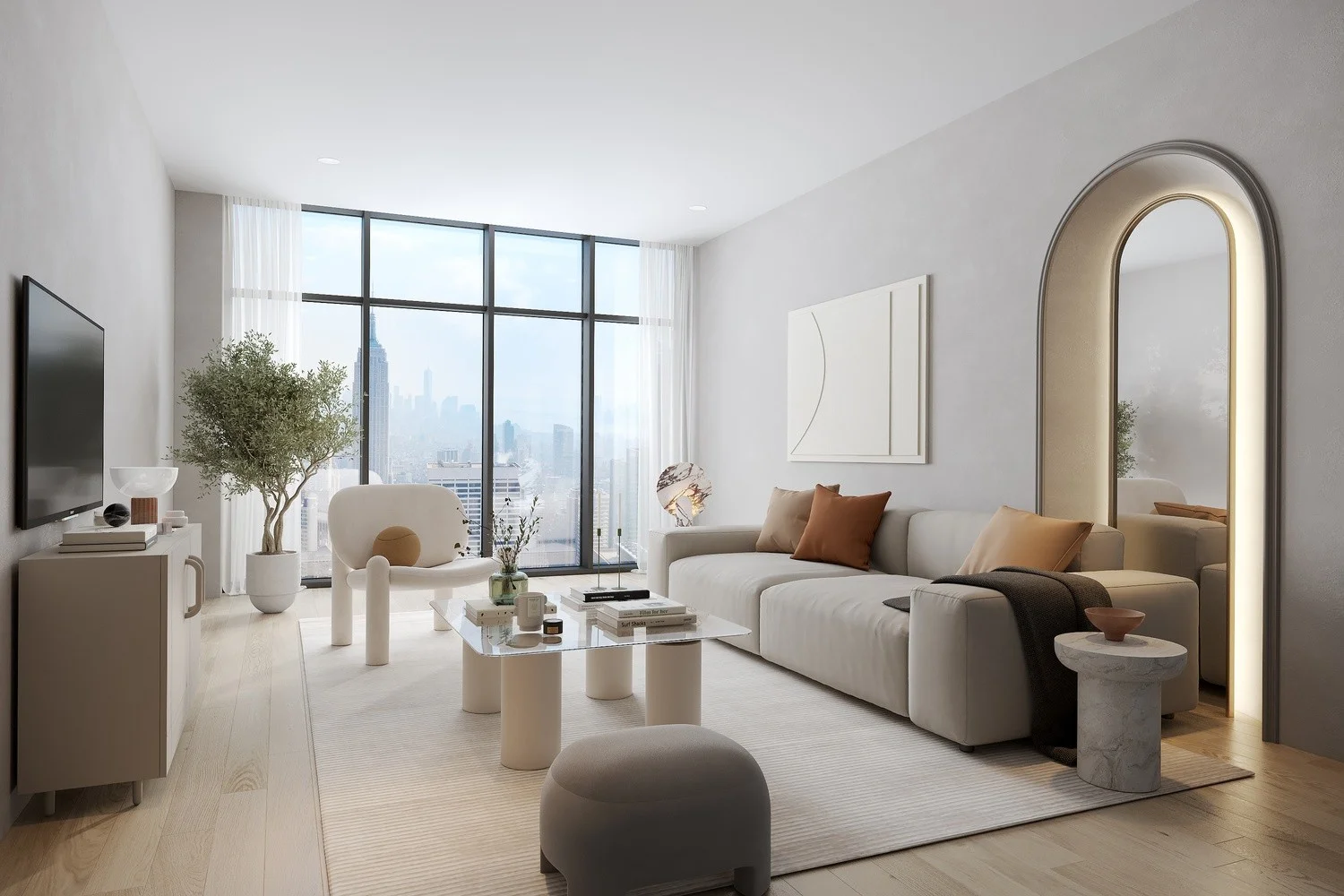
Spotless Agency Virtual Staging has become an effective solution for real estate professionals who want to present properties in a more appealing and engaging way. In today’s competitive housing market, high-quality visuals play an important role in attracting potential buyers and creating a strong first impression.
Traditional home staging requires physical furniture, decorations, and professional setup, which can be expensive and time-consuming. Virtual staging offers a modern alternative by using digital technology to add realistic furniture, interior designs, and decorative elements to property images.
This approach helps buyers imagine how an empty or outdated space could look after renovation or furnishing. It allows sellers, agents, and property marketers to showcase homes more effectively while reducing the cost and effort associated with traditional staging.
With advanced digital techniques and realistic design options, virtual staging has become an important tool for improving online property listings and increasing buyer interest.
What Is Virtual Staging in Real Estate?
Virtual staging is a digital process that enhances property photographs by adding realistic furniture, decorations, and interior designs using specialized software.
Instead of physically placing furniture inside a property, designers create digital versions that blend naturally with the original image.
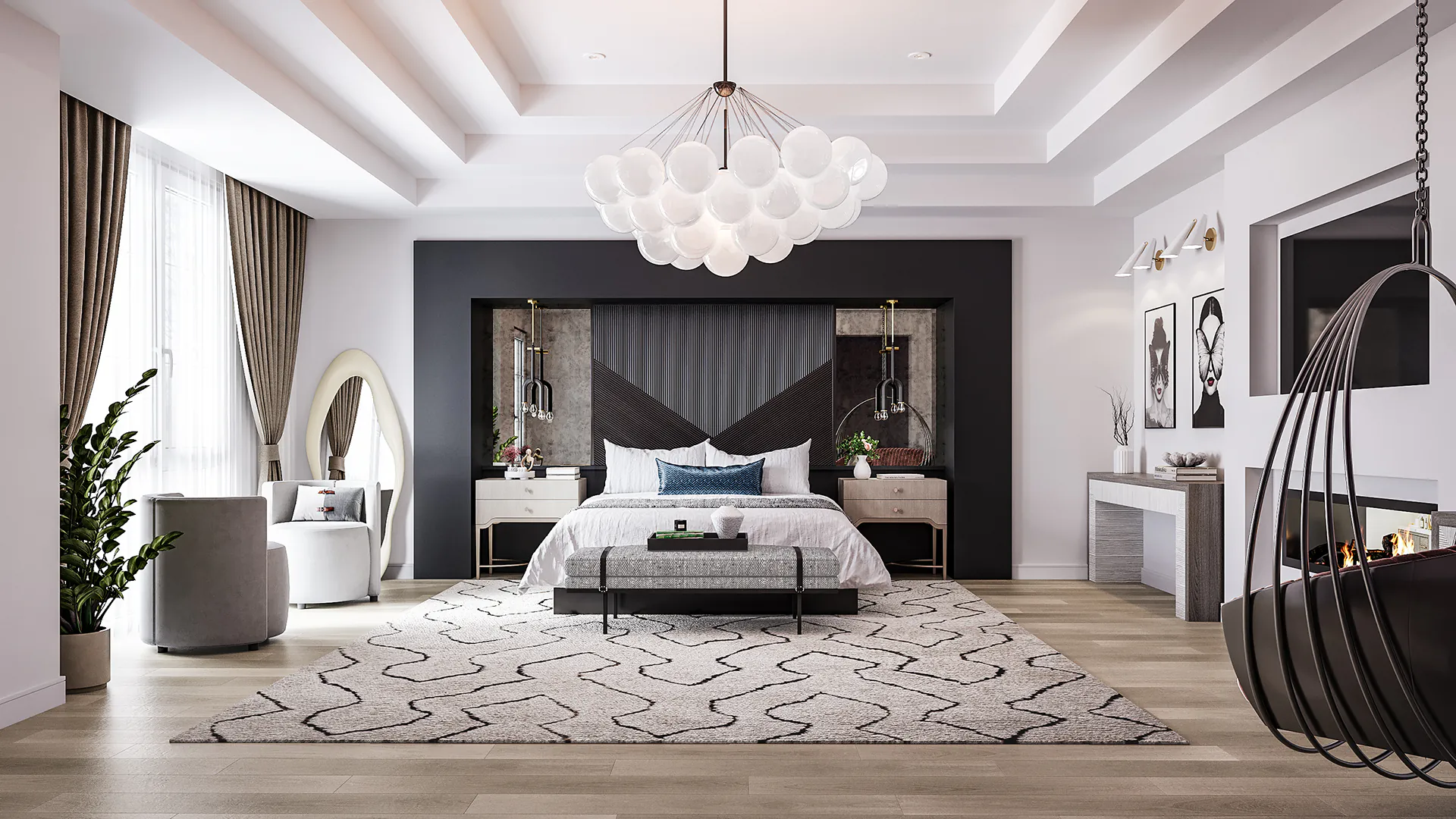
The process can include adding sofas, tables, beds, lighting fixtures, artwork, plants, and other interior elements.
Virtual staging is especially useful for vacant properties because empty rooms can often feel smaller and less inviting to potential buyers.
By creating a realistic vision of a furnished home, virtual staging helps buyers understand the possibilities of the space.
Professional virtual staging services focus on maintaining accurate proportions, realistic textures, and natural lighting so the final images appear authentic.
Why Virtual Staging Matters for Property Marketing
Online property searches have made photography one of the most important parts of real estate marketing.
Most buyers first view properties through digital listings, where attractive images can influence whether they continue exploring a home.
A vacant room may fail to create an emotional connection, while a professionally staged image can help buyers imagine themselves living in the space.
Virtual staging improves property presentation by showing potential layouts, design styles, and possible uses for different rooms.
It also helps properties stand out among hundreds of competing listings.
Real estate professionals can use enhanced images on websites, social media platforms, advertising campaigns, and property portals to attract more attention.
Better visuals often lead to stronger engagement and more inquiries from interested buyers.
Benefits of Spotless Agency Virtual Staging
Virtual staging provides several advantages for real estate agents, homeowners, and property developers.
Cost-Effective Property Presentation
Traditional staging involves renting furniture, transporting items, and paying for setup services.
Virtual staging eliminates many of these expenses while still providing professional-looking results.
Faster Marketing Process
Digital staging allows property images to be updated quickly without waiting for physical furniture installation.
This helps agents prepare listings faster and respond quickly to market opportunities.
Better Buyer Imagination
Many buyers struggle to visualize empty spaces.
Virtual furniture and interior designs help them understand room functionality and create an emotional connection with the property.
Flexible Design Options
Virtual staging allows multiple design styles to be tested.
A single room can be presented as modern, traditional, minimalist, or luxury depending on the target audience.
Improved Online Engagement
Attractive images are more likely to receive clicks, shares, and inquiries compared to basic property photographs.
These benefits make virtual staging a valuable marketing strategy in modern real estate.
How the Virtual Staging Process Works
The virtual staging process begins with high-quality photographs of the property.
Professional designers analyze room dimensions, lighting conditions, and architectural features before creating the digital design.
Furniture, decorations, and other elements are carefully selected to match the style and purpose of the space.
Advanced editing techniques are then used to blend digital elements with the original photograph.
The goal is to create images that look natural rather than artificial.
Professional virtual staging requires attention to details such as shadows, reflections, colors, and perspective.
Once completed, the final images are delivered for use in online listings, advertisements, and marketing materials.
A well-executed virtual staging project can completely transform the appearance of a property.
Best Uses for Virtual Staging Services
Virtual staging can benefit different types of real estate projects.
Vacant Homes
Empty properties often appear less attractive because buyers cannot easily imagine furniture placement.
Virtual staging adds warmth and visual interest.
New Construction Projects
Builders and developers can showcase unfinished properties by creating realistic previews of completed interiors.
Rental Properties
Landlords can improve listings by showing potential tenants how rooms can be arranged.
Luxury Properties
High-end homes benefit from elegant digital designs that highlight premium features.
Renovation Projects
Virtual staging can show buyers the potential results of upgrades or remodeling.
Its flexibility makes it suitable for many real estate marketing needs.
Tips for Effective Virtual Staging
To achieve the best results, virtual staging should focus on realism and audience preferences.
Choose furniture styles that match the property’s architecture and target buyers.
Avoid adding excessive decorations that distract from the actual features of the home.
Maintain accurate room proportions so buyers receive a realistic impression of the space.
Use professional-quality images as the foundation for digital enhancements.
Different rooms may require different design approaches. For example, a family home may benefit from comfortable furniture, while a luxury apartment may require a more sophisticated style.
The goal is to enhance the property while keeping the presentation believable.
Virtual Staging vs Traditional Home Staging
Both virtual and traditional staging aim to make properties more attractive, but they use different approaches.
Traditional staging involves physically furnishing a property, allowing buyers to experience the space in person.
However, it requires more time, planning, and financial investment.
Virtual staging provides a faster and more affordable alternative by creating digital designs.
It is particularly useful for online marketing because buyers often make initial decisions based on property photos.
While traditional staging can create a physical experience, virtual staging offers greater flexibility because designers can create multiple versions of the same room.
Many real estate professionals now use virtual staging alongside traditional methods to maximize marketing impact.
Choosing a Reliable Virtual Staging Provider
Selecting the right virtual staging company is important for achieving realistic results.
Look for providers with experience in real estate image editing and a strong portfolio of previous projects.
Quality providers should understand lighting, perspective, interior design principles, and buyer expectations.
Check whether the company offers different design styles and customization options.
Clear communication is also important to ensure the final images match your marketing goals.
A professional virtual staging service should focus on enhancing the property’s appeal without creating unrealistic expectations.
Investing in quality digital staging can improve the overall effectiveness of a real estate marketing campaign.
Final Thought
Spotless Agency Virtual Staging represents a modern approach to real estate presentation by combining technology, creativity, and effective marketing strategies. It helps transform ordinary property images into engaging visuals that allow buyers to imagine the possibilities of a space.
With benefits such as affordability, flexibility, faster preparation, and improved online engagement, virtual staging has become an essential tool for many real estate professionals.
As digital property marketing continues to grow, realistic virtual staging solutions will remain valuable for sellers, agents, and developers who want to create stronger connections with potential buyers.
FAQs
What is Spotless Agency Virtual Staging?
It is a digital property enhancement service that adds realistic furniture and interior designs to property photos for better real estate marketing.
How does virtual staging help sell properties?
Virtual staging helps buyers visualize the potential of a property, making listings more attractive and increasing engagement.
Is virtual staging cheaper than traditional staging?
Yes. Virtual staging usually costs less because it does not require physical furniture rental, transportation, or installation.
Can virtual staging be used for empty homes?
Yes. It is especially useful for vacant properties because it helps buyers imagine how rooms can be furnished.
Are virtual staging images realistic?
Professional virtual staging uses advanced editing techniques to create realistic furniture placement, lighting, and textures.
Who can benefit from virtual staging services?
Real estate agents, homeowners, property developers, builders, and rental managers can all benefit from virtual staging.

